
Proposals to close smaller NHS maternity units have prompted questions about whether the right solutions are being considered to address the pressures facing maternity services. In this article, Neil Stewart challenges the thinking behind these proposals, questioning the emphasis on management and political considerations at the expense of frontline care. He argues that improving maternity safety requires investment in midwifery, better workforce planning and more personalised support for women, rather than simply concentrating services in larger units.
NHS leaders need air cover for “inevitable difficult decisions” on maternity services is the headline on the NHS Alliance news release proposing the closure of perhaps 20 smaller maternity units.
For those of you not involved in politics the term “air cover” refers to mainstream media TV and newspaper battle grounds in the electronic election cloud. Not air and gas as you would provide to a woman for pain relief.” Ground cover” is election bodies knocking on doors handing out leaflets and speaking to people.
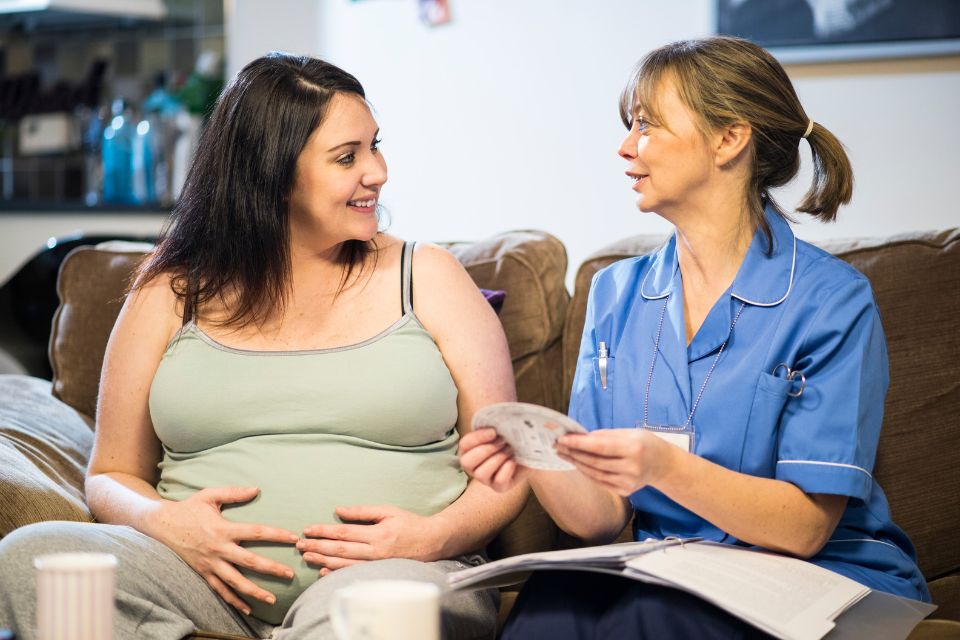
The maternity unit equivalent would be having midwifes on the ground giving safe, personalised compassionate care and speaking and listening to women. That is what is needed, not air cover or “excuses” as some might call them.
Do they think this is a political campaign to manage blame for the increase in maternal deaths in the last MBrace report and the – finally admitted – rise in C Sections to 50% + way beyond anything accountable for by more older mothers, co morbidities or elective choice. Or is it a reaction to the latest fines and threats of criminal prosecution for management failure and deaths.
Last time I looked there were about 90,000 of those planned C sections in annual figures but then an additional 120,000 emergency ones. Where is the explanation to women of why this explosion in emergencies is happening to women?
Professionals can see 6 months before the birth “due date” whether a woman is obese, has co morbidities, is going to be over 32 and so 90,000 planned C Sections would seem to catch those at risk, so why so many emergencies?
The release goes on to highlight the problems of not just staffing but the right mix of skills and the different skills needed with so much surgery. It is not unreasonable to ask whose responsibility that is when it looks like half the newly qualified midwives don’t have jobs yet to complete their preceptorships, building in future shortages. Instead of fixing that, the solution seems to be just squeeze more mothers into the bigger units.
I start with this because I think it betrays a management way of thinking about maternity units that has lost the plot on what needs to happen.
These women are not ill, pregnancy is not a disease, it is a risk, a known risk, with known solutions and known warning signs. With 6 months’ notice and regular scans and countdown, but no cancellation or postponement, there is time to put resources in place for that window. Childbirth is also not an emergency but nor is it a take off booking slot on a “due date” when, in reality, a baby can naturally arrive two weeks either side of that date.
Dr Bill Kirkup, author of the Morcombe Bay and East Kent report stated that when he started practicing he expected to be working on 5% of the women and births with the rest up to the midwives. He also reported on Roy Lilley’s podcast that the average stay at childbirth had fallen to less than 2 days. None of the early admission or lying in for 5 days that some of our mothers and grandmothers experienced, that caught or tackled problems, and many on the continent still enjoy.
Safety and size of unit are not proven causation of safety in maternity services unless you have been listening to a completely different debate on normal birth which seems to warn there are not enough access to C Sections. A story denied by the Amos Enquiry which found no evidence for it.
The RGOC only took a few hours to state their rather clear disagreement in their nice reasonable way:
Hooray to that.
Neil Stewart
Editorial Director, Maternity & Midwifery Forum
October 2026