
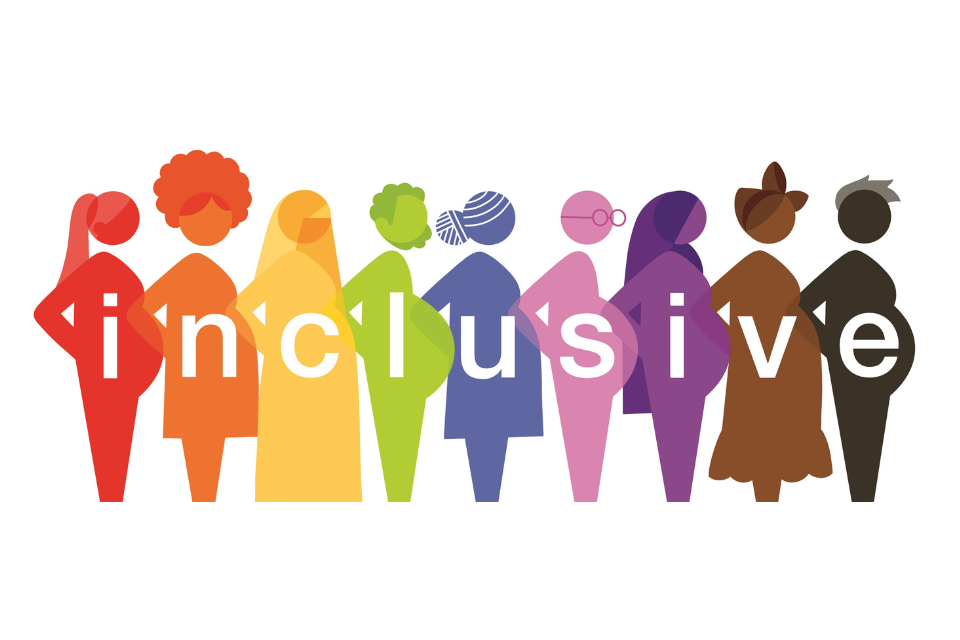
The INCLUSIVE project is exploring how maternity services can better support LGBTQ+ birthing people by addressing gaps in knowledge, skills, attitudes and behaviours among maternity professionals. Led by midwife and researcher Claire Singh, the project aims to develop an evidence-based training package co-designed by LGBTQ+ birthing people and midwives, helping to create more inclusive, equitable and compassionate maternity care. In this article, Claire outlines the challenges faced by LGBTQ+ families, explains the aims of the project, and invites midwives across the UK to contribute their experiences through a national survey.
Maternity care for LGBTQ+ birthing people
The LGBTQ+ birthing community are faced with maternity services that are underpinned by heteronormative and cis-gender frameworks, meaning that for people who express themselves in a way that does not match gender norms they are often discriminated against through assumptions, homophobia, transphobia, biphobia and negative attitudes of healthcare professionals [1]. Current evidence suggests that the unique maternity care needs of LGBTQ+ people are not being met, which can impact on mental health, feelings of invisibility and potentially fear to disclose important information about their health or pregnancy [2, 3].
As well as addressing the needs of the LGBTQ+ birthing people, it is important to hear the voices of midwives in understanding their training needs in the knowledge, skills and clinical competency they need to be able to confidently be able to provide care to this community [2, 4], and this is a key part of the INCLUSIVE project.
About the INCLUSIVE project
INCLUSIVE aims to improve maternity care experiences for LGBTQ+ birthing people by supporting midwives to develop the knowledge, skills, attitudes and behaviours they need to provide inclusive, equitable care.
As we know addressing the care needs of marginalised and vulnerable populations has been identified as one of the core competences of basic midwifery practice [5].
The INCLUSIVE project is taking part in two stages.
Stage one is about understanding the experiences of LGBTQ+ birthing people and part of this will be undertaking in the analysis of the data from the Birth Experience Study UK (BESt-UK), which collected the birth experiences of women and birthing people. INCLUSIVE will explore the specific experiences of LGBTQ+ birthing people and their interactions with maternity services throughout their care.
As well as this we want to hear from midwives, about what the perceive to be training needs in providing inclusive, equitable care to LGBTQ+ birthing people and their families.
All this data will contribute to the work in stage two of the project, which will bring together LGBTQ+ birthing people and midwives to co-design an online training package that will be designed specifically for midwives. The aim of INCLUSIVE is to create a practical evidence-based training that supports midwives and will have been designed by LGBTQ+ birthing people and midwives together.
How can midwives get involved?
Midwives can take part in a short online survey, the midwife survey will be open from 1st June- 31st July 2026. It aims to identify the knowledge, skills, attitudes, and behaviours (KSAB) that midwives see as essential for delivering inclusive, equitable maternity care for LGBTQ+ birthing people. These insights gained from the survey will directly inform the subsequent co-design of the training package, ensuring it is grounded in real-world practice and responsive to the needs of both midwives and service users.
Can I take part?
If you are a registered midwife working in the NHS, NHS Scotland or Health & Social Care Northern Ireland please have your voice heard by completing the survey.

What does participation involve?
This link or the QR code opposite will take you to an anonymous online survey that takes approximately 10 minutes to complete. The full information sheet and consent form can be found when you click through to the survey and you can even complete it on your phone. You can access the survey from June 1st 2026.
Why take part in the survey?
The INCLUSIVE survey for midwives ensures that midwives’ voices are heard and the findings from the survey will shape the online training package that will be developed. It is an opportunity for midwives to support the development of a practice education tool.
Feel free to get in touch
If you would like to find out more about the INCLUSIVE project or would like to express an interest in being involved in the co-design of the online training package, please get in touch:
References
1. Soinio, J., E. Paavilainen, and J. Kylma, Lesbian and bisexual women’s experiences of health care: “Do not say, ‘husband’, say, ‘spouse'”. J Clin Nurs, 2020. 29(1-2): p. 94-106.
2. Pezaro, S., et al., Perinatal care for trans and nonbinary people birthing in heteronormative “maternity” services: Experiences and educational needs of professionals. Gender & Society, 2023. 37(1): p. 124-151.
3. Malmquist, A., et al., Minority stress adds an additional layer to fear of childbirth in lesbian and bisexual women, and transgender people. Midwifery, 2019. 79: p. 102551.
4. Permezel, J., et al., Experiences in the delivery of preconception and pregnancy care for LGBTIQA plus people: A systematic review and thematic synthesis of patient and healthcare provider perspectives. MIDWIFERY, 2023. 123.
5. Butler, M.M., J.T. Fullerton, and C. Aman, Competence for basic midwifery practice: Updating the ICM essential competencies. Midwifery, 2018. 66: p. 168-175.
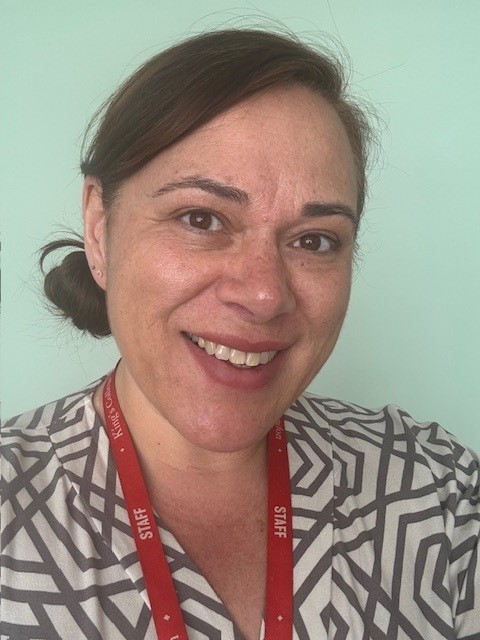
Claire Singh, Senior Lecturer in Midwifery/NIHR Doctoral Fellow, King’s College London
Claire Singh (she/her)
Email: claire.singh@kcl.ac.uk
Instagram: inclusive__project
Author’s biography
Claire is a registered midwife with over 25 years’ experience spanning clinical practice, clinical research delivery and education. She was awarded an National Institute for Health Research (NIHR) Doctoral Fellowship and is currently an Senior Doctoral Fellow for The INCLUSIVE project, which is driven by both her personal and professional commitment to improving equity, inclusion, and care experiences for LGBTQ+ birthing people within maternity services.
June 2026